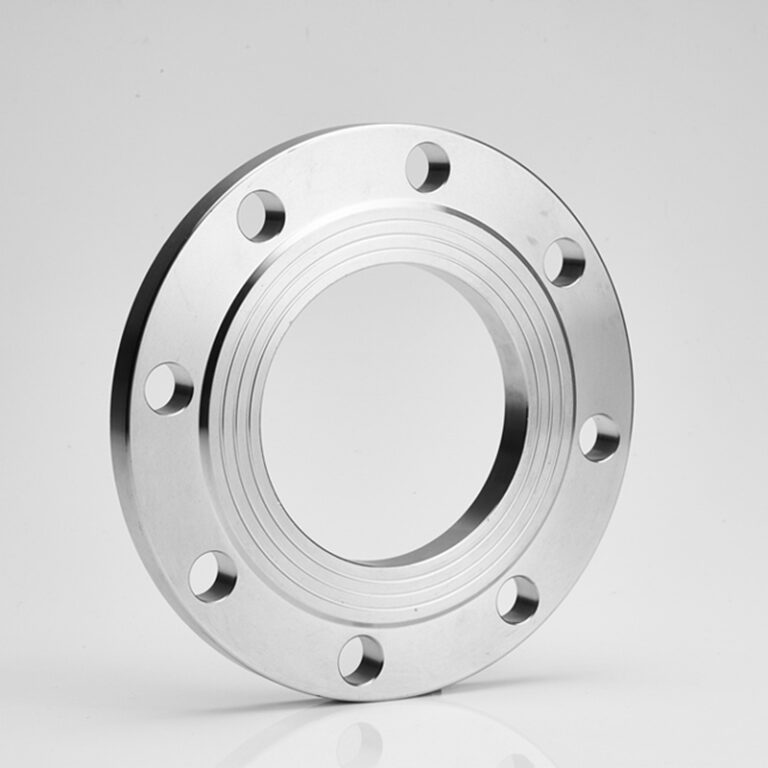
Flange connections are one of the main forms of connection for gas pipelines and equipment. The connection flanges primarily rely on the preload generated by their connecting bolts, achieving sufficient working sealing pressure through flange gaskets to prevent gas leakage and ensure sealing. Based on years of operational experience, the main reasons for pipeline flange leakage are usually as follows:
(1) Insufficient compressive force on the sealing gasket, improper installation of the sealing gasket, uneven bolt tightness, and misalignment of the flange centerlines, leading to leakage when the pipeline pressure increases;
(2) Unreasonable pipeline process design, inadequate vibration reduction measures, or external factors causing pipeline vibration, resulting in loose bolts and leakage;
(3) Pipeline deformation or settlement, causing uneven stress at the flange, leading to leakage;
(4) Causes such as thermal expansion and contraction leading to elongation and deformation of the connecting bolts, resulting in leakage during seasonal changes;
(5) Long-term use of sealing gaskets leading to plastic deformation, reduced resilience, and aging of gasket materials, causing leakage;
(6) Leakage caused by quality issues with gaskets and flanges, as well as corrosion from natural gas.
Once a flange leakage is detected in a gas pipeline, appropriate measures should be taken for timely handling. Due to the flammable and explosive nature of natural gas, relevant operating procedures clearly state that it is prohibited to tighten flange bolts under pressure. Therefore, the preferred solution for flange leakage should be to handle it after depressurization and venting. If it is possible to stop the flow, the valves on both sides of the leakage point should be closed, and after venting and replacement, a new gasket should be installed, and the bolts retightened. However, for operating trunk pipelines, stopping the flow often incurs high costs and consequences. The technical key to managing flange leakage in long-distance pipelines lies in achieving leakage sealing without stopping the flow.
Once a serious leakage is detected at the flange connection, the existing emergency handling solution is to use specialized high-pressure clamps for sealing. However, after sealing the outer sealing surface of the flange with the clamp, the pressure medium often leaks again through the flange bolt holes, and high-pressure clamps are ineffective against leakage from flange bolt holes, resulting in unsatisfactory actual sealing effects.